What are the Benefits of Impregnating High-Alumina Bricks with Phosphate?

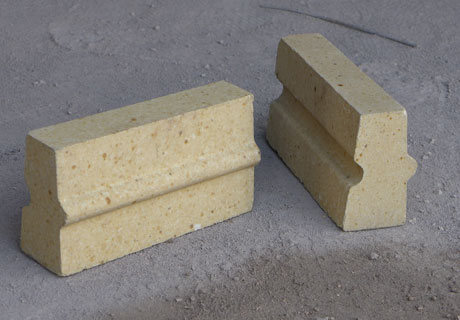
Phosphorus impregnation of high-alumina bricks refers to placing fired high-alumina bricks in a container and impregnating them with phosphoric acid for more than two hours. After low-temperature treatment, their physical properties are significantly improved, making them suitable for use in harsh industrial furnace linings. Indicators of High-Alumina Bricks After Phosphating According to actual tests, after … Read more

Performance Comparison of High Alumina Bricks and Anti-Stripping High Alumina Bricks

High-alumina bricks can be compared with anti-spalling high-alumina bricks in terms of raw materials and processes, performance characteristics, application fields, and costs. Raw Materials and Process Proportions Both high-alumina bricks and anti-stripping high-alumina bricks primarily use high-alumina bauxite as their raw material. However, anti-spassing high-alumina bricks incorporate zircon during the production process. This addition significantly … Read more

Quality Requirements for High Alumina Bricks Used in Calcium Carbide Furnace Lining

High alumina bricks for calcium carbide furnaces should be selected in different parts. The quality of high alumina bricks used around the furnace wall, furnace bottom, and furnace door is different. Grade I High Alumina Bricks for Calcium Carbide Furnace Walls Under normal circumstances, the furnace wall temperature of a calcium carbide furnace is high, … Read more

High Alumina Bricks Supply

A high alumina refractory brick is a refractory product with Al2O3 content of 75%. High alumina bricks belongs to a kind of refractory material, the main component of this refractory product is Al2O3, belongs to the content of aluminum oxide is higher than 48% of aluminum silicate refractory products. It is a kind of neutral … Read more

Thermal Conductivity Of High Alumina Bricks

High Alumina Bricks With Good Thermal Conductivity

Thermal conductivity of high alumina bricks are higher than fire clay bricks. The reason is that there are few glass phases with low thermal conductivity in high alumina bricks, while the mullite and corundum crystal with better thermal conductivity increases, which improves the thermal conductivity of products. This article is from RS Kiln Company to … Read more