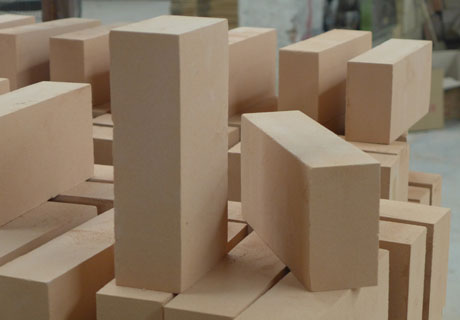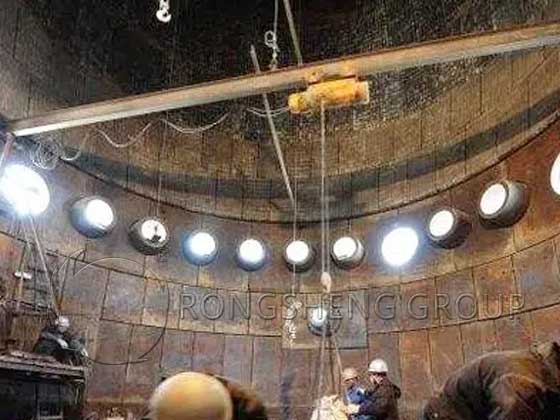
Energy-saving refractory materials, also known as energy-efficient refractory materials or lightweight insulating refractory materials, refer to refractory materials that significantly reduce heat loss in industrial kilns, lighten equipment weight, and lower production energy consumption while maintaining excellent high-temperature resistance through methods such as reducing material bulk density, lowering thermal conductivity, and optimizing structure. These materials are key materials for achieving energy conservation, carbon reduction, and lightweight transformation in high-temperature industries (such as steel, building materials, and chemicals).
Energy-Saving Principles and Core Advantages
- High-efficiency heat insulation, reducing heat loss: Energy-saving refractory materials have high porosity (≥45%) and low thermal conductivity (0.03~0.35 W/(m·K)). This effectively blocks heat conduction, reducing heat storage loss and surface heat dissipation loss in the kiln, achieving energy savings of 10%~30% or more.
- Lightweight, reducing equipment load: The materials have low bulk density (0.3~1.3 g/cm³, some ultralight materials below 0.3 g/cm³). This significantly reduces the kiln’s weight, lowers the foundation load, reduces equipment operating energy consumption, and allows for thinner furnace walls.
- Low heat capacity, improving thermal efficiency: Some materials have low heat capacity, enabling rapid heating and cooling of the kiln. This adapts to frequent start-up and shutdown conditions, reduces material damage caused by thermal stress, and improves overall thermal efficiency.
Main Classifications and Representative Materials of Energy-Saving Refractory Materials
Energy-saving refractory materials can be classified into the following categories according to their material, form, and applicable temperature range:
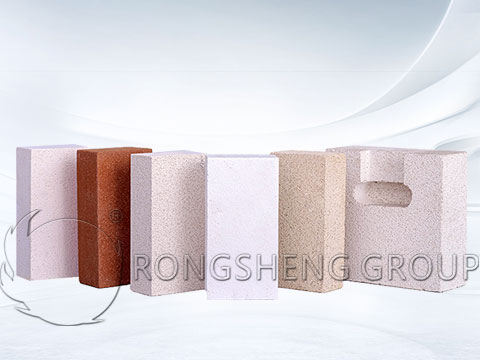
1. Lightweight Insulating Refractory Bricks (Shaped Materials)
- Alumina Hollow Sphere Bricks: Using alumina hollow spheres as aggregate, these bricks have low bulk density (1.1~1.5 g/cm³), low thermal conductivity, and high temperature resistance (up to 1800℃). A single layer can meet both load-bearing and heat insulation functions, resulting in significant energy savings. They are suitable for the firing zone and insulation layer of high-temperature kilns (such as petrochemical gasification furnaces and metallurgical induction furnaces).
- Mullite/High-Alumina Lightweight Insulating Bricks: Primarily composed of mullite or high-alumina materials, these bricks have low bulk density, low thermal conductivity, and good thermal shock stability. They are suitable for the insulation layer or backing of medium- and high-temperature kilns (such as cement rotary kilns and ceramic roller kilns).
- Diatomaceous Earth Bricks/Expanded Perlite Bricks: Low bulk density and excellent thermal insulation performance, but with a relatively low operating temperature (<900℃), suitable for low-temperature kilns or insulation layers.

2. Lightweight Unshaped Refractory Materials (Bulk Materials)
- Lightweight Refractory Castables/Insulating Castables: Mixed with lightweight aggregates (such as perlite, ceramsite, expanded perlite) and binders, these can be cast on-site to form a seamless, monolithic furnace lining, facilitating construction. Suitable for insulation layers in complex-shaped kilns, effectively reducing thermal bridging.
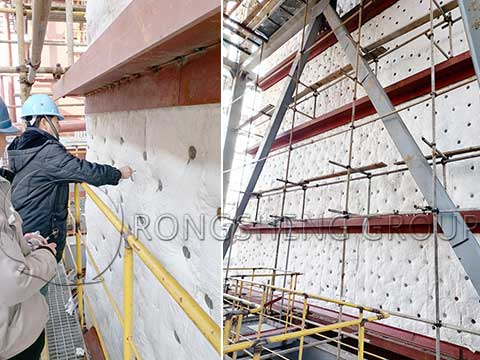
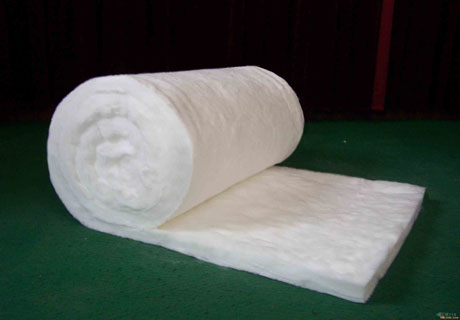
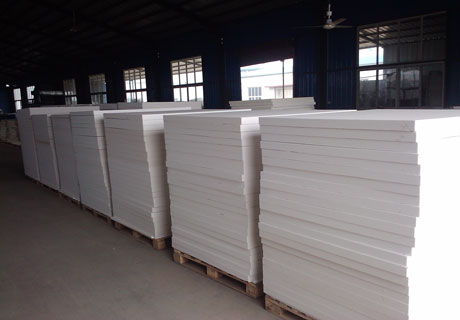
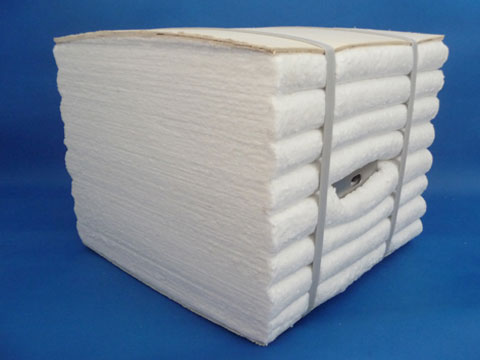
- Refractory Fiber Products (Ceramic Fiber Blankets/Boards/Modules): Extremely low bulk density (0.1~0.2 g/cm³), extremely low thermal conductivity, and low heat capacity. Suitable for intermittent kilns or as insulation/heat insulation layers for furnace walls, significantly reducing heat storage loss and achieving significant energy savings.
3. Functional Composite Energy-Saving Materials
- Rare Earth Composite Refractory Bricks: Through rare earth modification, the high-temperature mechanical properties and thermal insulation performance of the material are improved. In steel enterprises, this can increase thermal efficiency and reduce unit energy consumption.
- Solid Waste-Based Lightweight Refractory Materials: Utilizing solid waste such as blast furnace slag and construction waste powder as raw materials, these materials achieve resource recycling and possess lightweight, thermal insulation, and heat preservation properties, aligning with the low-carbon and environmentally friendly trend.
Application Areas of Energy-Saving Refractory Materials
- Iron and Steel Metallurgy: Used as insulation layers or linings for blast furnaces, hot blast stoves, electric furnaces, and converters to reduce heat dissipation and extend furnace life.
- Building Materials Industry: Used as insulation layers for cement rotary kilns, ceramic roller kilns, and glass melting furnaces to reduce overall kiln energy consumption.
- Chemical and Power Industries: Used as insulation layers for petrochemical cracking furnaces, industrial boilers, and waste incinerators to reduce surface temperature and fuel consumption.
- Other Fields: Used for thermal insulation in ceramic kilns, metallurgical induction furnaces, and some new energy high-temperature furnaces (such as lithium battery sintering furnaces).
Selection and Usage Considerations for Energy-Saving Refractory Materials
Selection Based on Needs: For high-temperature conditions (>1200℃), alumina hollow spherical bricks and mullite lightweight bricks are preferred. For medium- and low-temperature conditions (<1200℃), high-alumina lightweight bricks or diatomaceous earth bricks can be used. For complex shapes or areas requiring monolithic casting, lightweight castables should be selected.
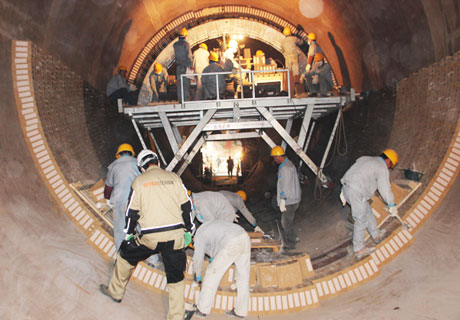
Appropriate Combination: Due to their high porosity, lightweight refractories have relatively poor slag erosion resistance and mechanical strength, and cannot be used in areas that directly contact molten slag, liquid metal, or areas subject to severe wear. They are usually used in combination with dense refractories (heavy bricks) to form a composite furnace lining structure of “heavy working layer + lightweight insulation layer”.