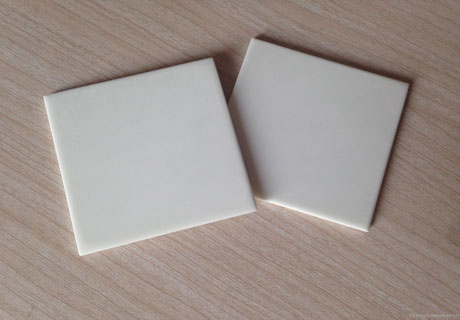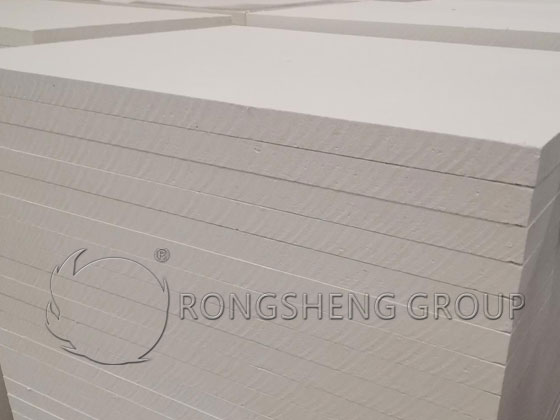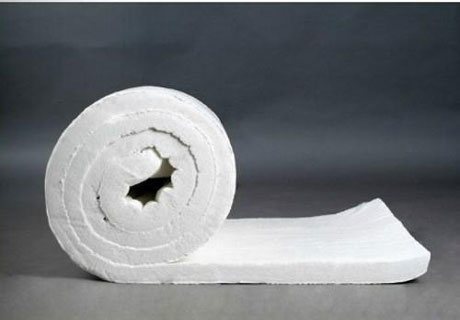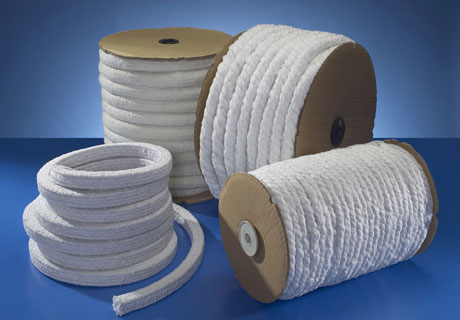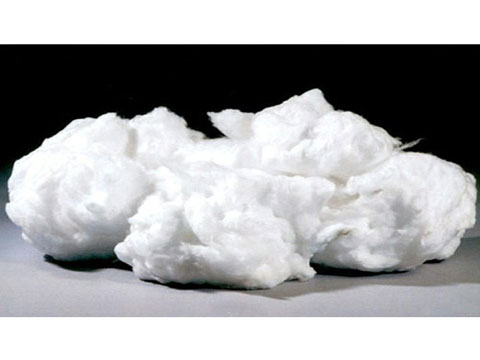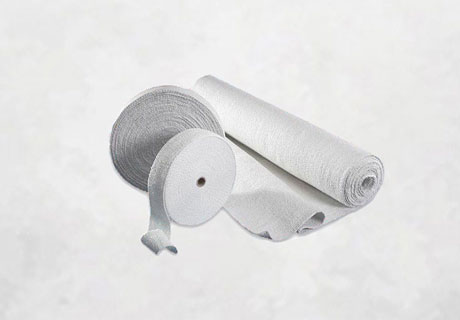
Furnace Insulation and Fire-Blocking Boards: Ceramic Fiber Boards. The furnace chamber—also referred to as the furnace core or combustion chamber—requires the use of insulating materials characterized by low thermal conductivity, whether for the chamber itself or for pre-formed furnace cores. As the combustion chamber, the efficiency of fuel combustion directly determines the temperature attained within the furnace, as well as the heat reflection and thermal insulation performance of the chamber walls. The cross-section of the furnace chamber is typically square or rectangular. Since fuel combustion within the chamber generates flames and high-temperature flue gases, the surrounding furnace walls are constructed using ceramic fiber boards, which serve as both insulation and fire-blocking components.
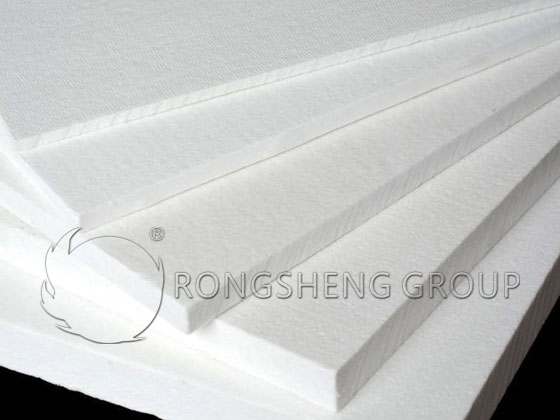
Advantages of Using Ceramic Fiber Boards for Furnace Lining Insulation
- In Terms of Refractory and Thermal Insulation Properties, the ceramic fiber furnace lining insulation boards feature low thermal conductivity and low heat transfer rates, making them suitable for operating temperatures up to 1200°C. In contrast, conventional furnace linings exhibit higher thermal conductivity and incur significant heat loss.
- In Terms of Energy Conservation and Cost Reduction, the conventional furnaces suffer from substantial heat loss and rapid heat dissipation, rendering them incapable of retaining heat effectively. Ceramic fiber furnace linings, however, retain heat for a duration exceeding ten times that of conventional linings and possess excellent resistance to thermal shock (rapid heating and cooling).
- In Terms of Service Life: Conventional furnaces are prone to structural failure—such as bursting or cracking—when subjected to rapid temperature fluctuations, thereby shortening their service life. Ceramic fiber furnace linings, conversely, are completely free from the risk of bursting or cracking.
There are two common methods for providing thermal insulation in ceramic fiber furnace chambers:
- The first method applies to larger furnace chambers, where ceramic fiber modules are simply secured directly to the furnace walls.
- The second method applies to smaller furnace chambers; this involves creating molds for direct casting, or utilizing stamping and milling machinery to fabricate ceramic fiber boards for use as insulation panels.
Product Features of Furnace Insulation and Fire-Blocking Boards
Uniform bulk density; excellent resistance to mechanical damage; low thermal conductivity and superior thermal insulation properties. Low shrinkage; good resistance to wind erosion; and a long service life. Uniform thickness with a flat, smooth surface finish. Possesses excellent mechanical and structural strength, as well as strong resistance to airflow scouring. Exhibits excellent thermal stability and resistance to thermal shock, allowing for direct contact with flames. Easy to cut and install.
Product Applications of Furnace Insulation and Fire-Blocking Boards
Furnace insulation materials; wall linings for industrial kilns and heating equipment; expansion joints within kiln masonry. Thermal barriers for electric heating appliances; heat-storage kiln masonry; seals for furnace doors and lids. Refractory backup insulation for bricks and castables; hot-face linings for furnaces; applications within industrial heat treatment equipment. High-temperature insulation gaskets and seals; linings for kiln flues and chimneys; covers for molten metal troughs. Industrial insulation boards and thermal barriers for expansion joints; construction of industrial combustion chambers; supports for infrared components. Hot-face lining panels; all-fiber refractory linings; thermal insulation for high-temperature boiler walls, and more.
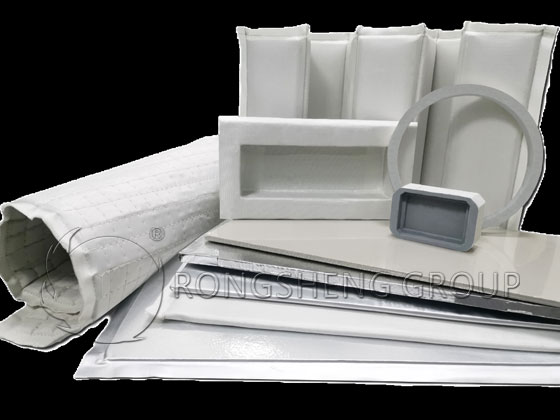
Industrial High-Temperature Insulation: Nanoporous Insulation Boards vs. Ceramic Fiber Boards
The ultra-thin thermal insulation capabilities of nanoporous boards and the extreme high-temperature protection offered by ceramic fiber boards are not mutually exclusive alternatives; rather, they serve as two complementary wings driving industrial energy efficiency. By understanding the three-dimensional distinctions—specifically regarding thermal conductivity, temperature resistance limits, and spatial efficiency—one can select the optimal thermal protection solution for any given piece of equipment. There is no single “universal” material—only the precise match for the specific application!
A comparative analysis of the core differences between nanoporous insulation boards and ceramic fiber boards, based on their material performance parameters and intended applications:
-
Thermal Conductivity
| Materials | Thermal Conductivity (at Room Temperature) |
| Nano-Insulation Board | 0.022–0.042 W/(m·K) |
| Ceramic Fiber Board | 0.13–0.23 W/(m·K) |
| Difference: The thermal conductivity of the nano-board is merely 1/4 to 1/5 that of the ceramic fiber board, demonstrating significantly superior thermal insulation efficiency. | |
-
Temperature Adaptability
| Materials | Optimal Operating Temperature Range | Maximum Temperature Limit |
| Nano-Insulation Board | 400–1000°C | 1200°C |
| Ceramic Fiber Board | 800–1600°C | 1800°C |
| Functional Division: | ·≤1000°C: Nano-insulation boards offer a decisive advantage (e.g., ladle linings, petrochemical equipment backup insulation).
·>1000°C: Ceramic fiber boards are indispensable (e.g., furnace hot-face linings, high-temperature melting furnaces). |
|
-
Physical Structure
Nano-Insulation Board:
- Primary material: Nano-SiO₂
- Triple heat-blocking mechanism: Blocks conduction + Suppresses gas convection + Reflects radiation
Ceramic Fiber Board:
- Primary material: Ceramic fibers
- Relies on air layers between fibers for thermal insulation
-
Engineering Value
| Features | Nano-Insulation Board | Ceramic Fiber Board |
| Insulation Layer Thickness | Reduced by 50%–70% | Standard Thickness |
| Compressive Strength | 0.3–0.5 MPa | ≥ 2.0 MPa |
| Space Efficiency | Ultra-thin profile (1–3 mm available) | Requires greater installation space |
-
Application Positioning
Nano-insulation boards serve as thermal insulation sheets for new-energy batteries.
- Energy-Saving Priority Scenarios (Reducing energy consumption by 10%–40%)
- Space-Constrained Equipment (New-energy batteries, compact reaction vessels)
Leveraging their exceptional thermal insulation properties, nano-insulation boards significantly slow the rate of heat propagation between battery modules, effectively isolating thermal conduction within the battery pack. Even under extreme conditions, they drastically reduce the risk of thermal runaway, thereby providing an additional layer of safety protection for both passengers and the vehicle.
Ceramic fiber boards are suitable for use on the hot-face surfaces of kilns and furnaces.
- Ultra-High Temperature Hot-Face Protection
- Applications Requiring High Mechanical Strength
Nano-insulation boards represent the optimal solution for enhancing energy efficiency within the ≤1000°C temperature range, redefining the boundaries of thermal insulation performance through a combination of ultra-low thermal conductivity and an ultra-thin structural profile. Meanwhile, ceramic fiber boards remain an essential requirement in ultra-high-temperature environments and applications demanding high mechanical strength. Together, these two materials constitute a pair of complementary technological solutions for industrial thermal management.