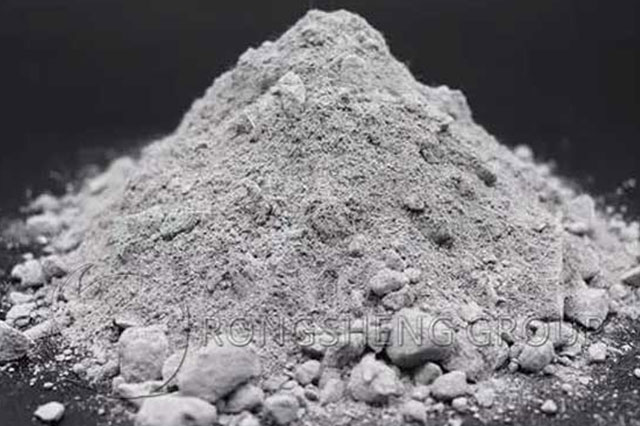
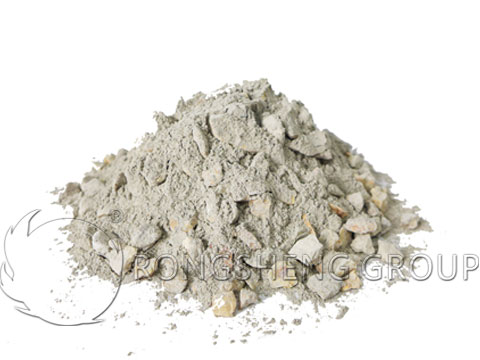
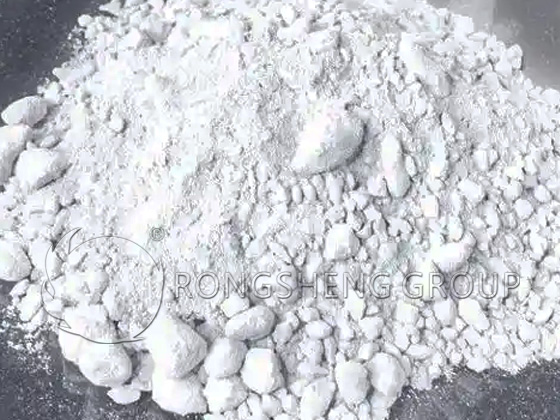
Corundum-mullite castable is a novel type of refractory material formulated using dense corundum and mullite as the aggregate base, combined with high-quality raw materials such as white corundum powder, α-Al₂O₃ micropowder, and fine mullite powder. Through precise proportioning and optimized processing, this material effectively integrates the advantageous properties of both corundum and mullite, delivering exceptional performance in high-temperature industrial applications. Rongsheng Corundum-Mullite Castable Manufacturer is equipped with advanced, eco-friendly production lines for monolithic refractory castables. We specialize in supplying materials for monolithic refractory furnace linings. Contact Rongsheng to request free samples and a price quote.
Performance Advantages of Corundum-Mullite Castables
High-Temperature Stability: The temperature of incipient softening under load exceeds 1750°C, with a high-temperature creep rate of less than 0.5%, ensuring structural stability in long-term high-temperature environments.
Outstanding Mechanical Properties: Compressive strength at room temperature exceeds 80 MPa, with a high-temperature flexural strength retention rate of over 70%.
Erosion Resistance: Exhibits excellent resistance to acidic slag and alkaline gases, with a corrosion rate of less than 0.8 mm/year.
Thermal Shock Stability: Withstands more than 30 cycles of water quenching from 1100°C without spalling, maintaining over 85% of its residual strength after thermal shock.
Construction Adaptability: Features a flow value of ≥180 mm and an adjustable setting time (initial set: 40–90 minutes), meeting the construction requirements for complex structures.
Low-alkali bauxite clinker (K₂O + Na₂O ≤ 0.3%) is utilized as the matrix material. By precisely controlling the Al₂O₃/SiO₂ ratio (within the range of 2.55–2.75:1), the formation of a continuous mullite crystalline network is promoted at high temperatures. This design facilitates a slight volumetric expansion of 0.2–0.5%, which effectively compensates for sintering shrinkage and enhances the overall structural integrity of the material.
Binder System Construction
A CA50-grade pure calcium aluminate cement (CaO·Al₂O₃ ≥ 50%) is employed as the binder, utilizing a dual-phase control strategy:
Through systematic material design and process control, corundum-mullite castables achieve a synergistic improvement in high-temperature performance, installation characteristics, and service life, making them an ideal protective material for modern high-temperature industrial equipment.
Comparison of K2CO3 Corrosion Resistance Among Three Types of Refractory Castables
To investigate the mechanisms by which alkali metal compounds corrode refractory materials used in waste incinerators, a corrosion test was conducted using the alkali vapor method. Three types of castables—mullite, corundum, and chrome-corundum—were exposed to alkali vapors at 800°C, 1000°C, 1200°C, and 1350°C for 30 hours. The physical properties and resistance to alkali corrosion of these materials were evaluated and compared before and after exposure. The results indicate the following:
1) At 800°C, the strength of all three castables (mullite, corundum, and chrome-corundum) increased following K2CO3 exposure, with the corundum castable exhibiting the highest post-exposure strength. Mullite and corundum castables demonstrated superior resistance to alkali corrosion compared to the chrome-corundum castable.
2) At temperatures of 1000°C, 1200°C, and 1350°C, the compressive strength of all three castables decreased after K2CO3 exposure. However, the chrome-corundum castable maintained a higher compressive strength—both before and after exposure—than the mullite or corundum castables, indicating superior resistance to alkali corrosion.
Application of Corundum-Mullite Castables in Hot Blast Stoves
Characteristics and Advantages of Corundum-Mullite Castables for Emergency Repairs
Although corundum-mullite castables are not subjected to high-temperature sintering, the monolithic structure formed through casting offers superior density and better airtightness compared to linings constructed from refractory bricks.
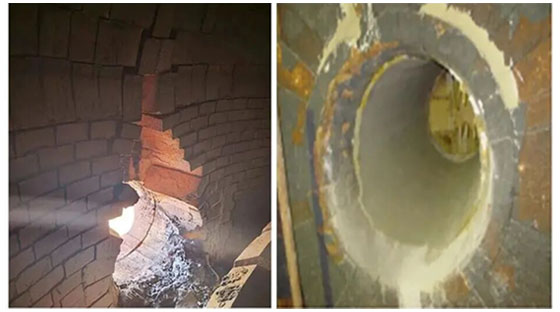
During the operation of a hot blast stove, if components such as the hot blast outlet collapse, repairing them using the originally designed composite bricks—which involves processes like manufacturing and pre-assembly—is time-consuming. Given the variety of shapes required and the limited quantities needed, the long production cycle makes this approach unsuitable for urgent repair requirements.
In such cases, using corundum-mullite castables for monolithic casting repairs can effectively shorten the construction period and ensure the continuity of production.
Primary Applications of Corundum-Mullite Castables in Hot Blast Stoves
Repair of Hot Blast Outlets
If a hot blast outlet collapses during the operation of a hot blast stove, the damaged section can be removed. A lining of lightweight bricks is first installed within the hot blast branch pipe, followed by the use of formwork to cast the corundum-mullite material into a monolithic structure. This method integrates the hot blast branch pipe with the hot blast outlet, further enhancing the airtightness of the system.
Emergency Repair of Combustion Ports
The combustion port of a hot blast stove is a critical area highly susceptible to damage. In an emergency, the same repair process used for hot blast outlets can be applied: remove the collapsed section, install an insulating layer of lightweight bricks, and then use a two-stage formwork setup to cast the corundum-mullite material. This ensures the repaired combustion port achieves the required 25° inclination, meeting the original design specifications.
Emergency Repair of Combustion Ports
Localized Repair of Upper Structures
In areas such as the straight sections of the main stove walls, the composite bricks in the dome, or the connection points between hot blast branch pipes and the furnace shell, localized deformation or burn-through may occur. While the area of damaged heavy-duty refractory bricks might be small, it can still disrupt normal production. In such instances, where maintaining production is a priority, corundum-mullite castables can be effectively used for repairs. The specific procedure is as follows: first, remove the damaged sections and restore the original insulation layer using lightweight mullite bricks. Apply a coat of asphalt paint to the surface of these bricks, then install formwork in sections and cast the lining as a monolithic structure using corundum-mullite castable. This completes the repair of the damaged upper portion of the hot-blast stove.
Drying-out Requirements
Whether it involves the hot-blast outlet, the combustion port, or the repaired hot-blast branch pipe, the components must undergo a drying-out process following a well-defined heating curve upon completion of construction. Normal operation may only commence once this drying-out process is finished. Only when the corundum-mullite castable has been properly dried out in accordance with established standards can its operational performance be fully guaranteed.